Small antique Japanese cupboard – Meiji/Taishō period (c. 1890-1926) #68

- Dimensions :
- H79 x W36 x D49
- Color :
- wooden
- Material :
- wood
- Style :
- world's craft
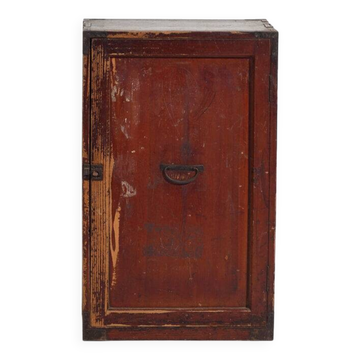
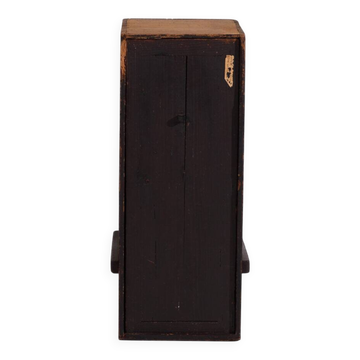
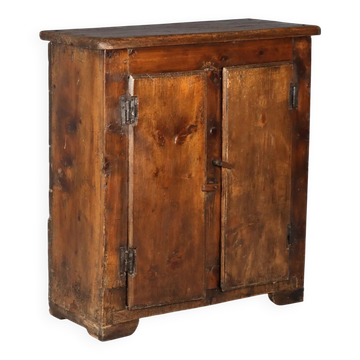
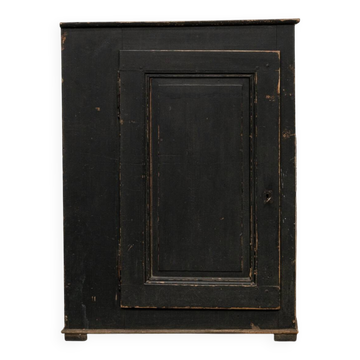
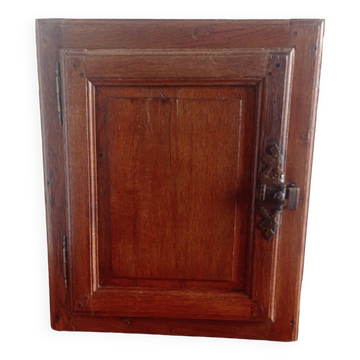
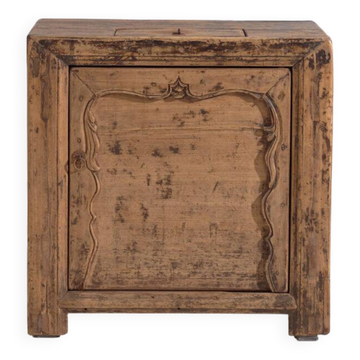
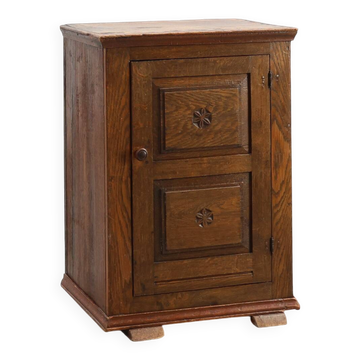
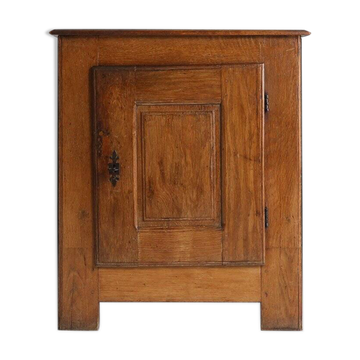
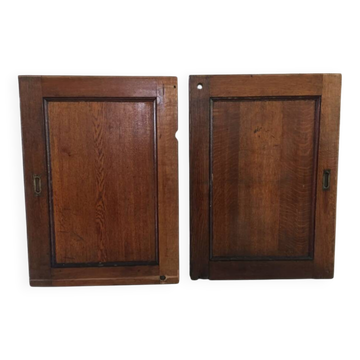
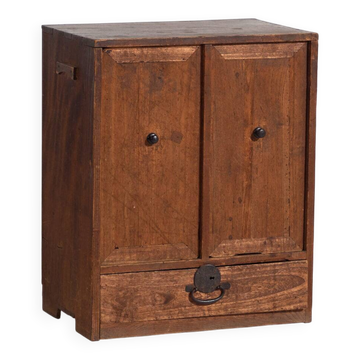
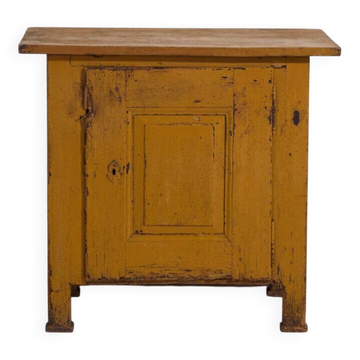
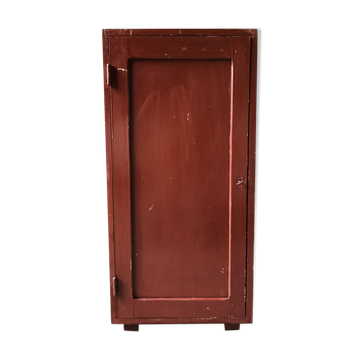
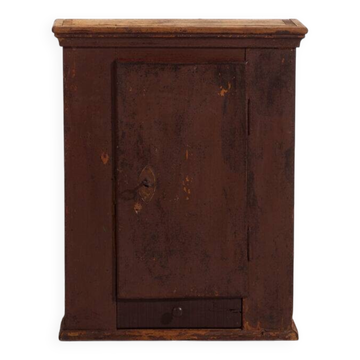
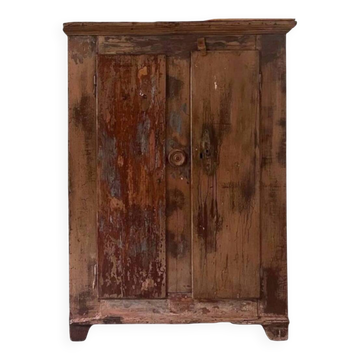
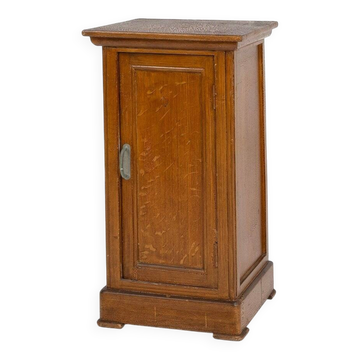
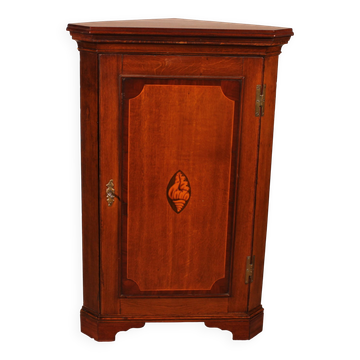
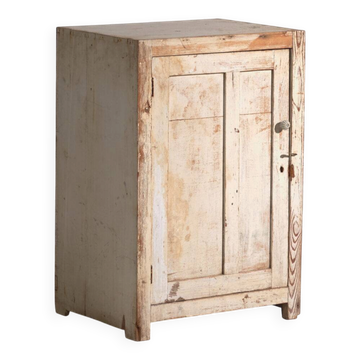
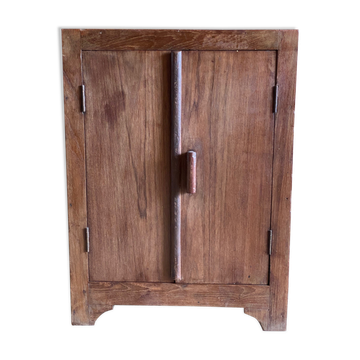
Small antique Japanese cabinet – Meiji / Taishō period (c. 1890-1926) Dimensions: Length: 36 cm Depth: 49 cm Height: 79 cm. Style: Meiji. Materials and techniques: Japanese cedar (Cryptomeria japonica) Place of origin: Japan. Period: Late Meiji period, early Taishō period. Date of manufacture: Circa 1890-1926. Condition: Good. Wear corresponds to age and use. This small Japanese piece from the Meiji period corresponds to a typology of narrow vertical storage, designed to optimise space in domestic interiors. Its compact format and moderate depth indicate a supplementary use, intended for storing personal items, documents, or everyday utensils. The cabinet is made of Japanese cedar (Cryptomeria japonica), a lightweight and stable wood, widely used in Japanese furniture from the late 19th century for its resistance to moisture. The interior is organised with well-proportioned fixed shelves, while the outer structure is reinforced with original iron fittings at the corners and points of tension. The front door with hinges retains its original iron handle as well as a simple and durable locking system. The surface shows a deep and sincere patina, marked by signs of wear, occasional losses of finish, abrasions, and areas lightened by repeated handling, particularly on the edges and the door frame. These marks contribute fully to its wabi-sabi aesthetic and authenticity. During the Meiji period (1868–1912), Japanese furniture adapted to new forms of domestic organisation while preserving traditional craftsmanship. Pieces like this reflect a material culture based on economy of means, durability, and constructive clarity. UNIQUE PIECE.
5 ()