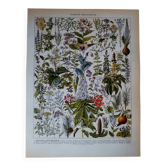
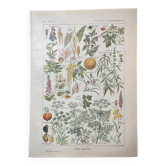
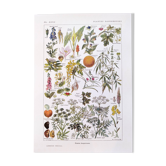
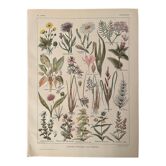
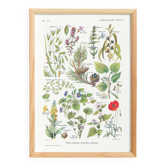
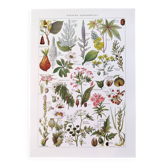
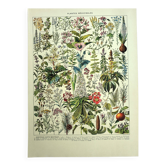
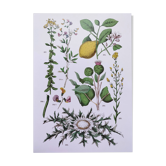
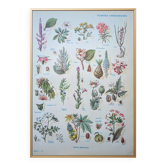
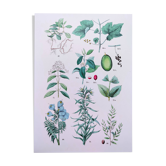
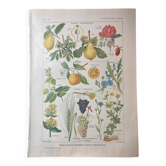
Botanical engraving from 1870 - Bois-Gentil and Yew - Lithograph of a plant

- Dimensions :
- H32 x W42 x D1
- Color :
- multicolour
- Material :
- linen
- Style :
- vintage
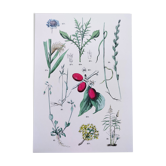
Magnificent authentic engraving 155 years old, not a simple reproduction. Subject: Wood-Deadly, Yew, and Arum. • Edition: between 1860 and 1870. • Size: 42 X 32 cm. • Elegant vintage cream-white paper. • The plate is a double page with a slight fold in the centre. • Condition: good, some usual signs of age, central fold barely visible. This plate comes from a 19th-century educational botanical atlas, designed for teaching through direct observation and illustrated with finely executed chromolithographs. The work brings together precise representations of plants, combining scientific accuracy with aesthetic quality. It is a testament to the dissemination of naturalist knowledge aimed at a broad educated public, embodying the didactic ambition and visual rigour characteristic of major scientific publications of its time. This scientific illustration features three species of toxic plants: the Wood-Deadly with its small pink flowers and characteristic red berries, the Common Yew identifiable by its linear leaves and bright red fruits, and the Common Arum with its greenish striped spathe and cluster of red berries. Each plant is depicted with great attention to botanical detail, showing leaves, flowers, fruits, and sometimes roots. • Find all my lithographs and prints in my shop. • Send me a message for any questions. • Fast delivery and careful packaging for a risk-free reception. • For bulk purchases, send me a message for a single shipping fee and to discuss a discount. Reference: 113-1-2. Texts inscribed on the engraving: POISONOUS PLANTS. A) the Wood-Deadly or Mezereon (Daphne mezereum). B) the Bittersweet Nightshade (Solanum Dulcamara). C) the Common Yew (Taxus baccata). D) the Common Arum (Arum maculatum). --- Decoration, vintage, bittersweet nightshade, taxus baccata, solanum dulcamara, daphne mezereum, arum maculatum. Daphne, common yew, arum. This plate presents a naturalistic and scientific style characteristic of 19th-century botanical atlases. The chromolithography technique allows for a faithful reproduction of natural colours with remarkable precision. The detailed rendering of the various plant parts reflects the scientific rigour of the time, combining educational value with the decorative aesthetic typical of Schubert's plates.
4.99 ()
Botanical & zoological posters: other similar vintage pieces
Discover more similar items- -12%
- -18%
- -18%
- -18%
- -12%
- -18%
- -12%
- -12%
- -20%
- -12%
- -12%